Spring, TX High-Energy Classes: martial arts Condition 1 Combat Center
If you live in Spring, TX and you want a class that lights up your lungs, sharpens your reactions, and leaves you walking out taller than you walked in, the high-energy sessions at Condition 1 Combat Center fit the bill. The facility’s approach blends practical self-defense with athletic conditioning and a training culture that keeps people of different ages moving together without diluting the standards. It is not a place where you hide in the back row. You work, you learn, and you go home feeling capable.
The Houston area has no shortage of gyms. What separates a strong martial arts academy from a standard workout facility is the ability to thread technique, timing, and real problem solving through the sweat. Cardio is easy to manufacture. Honest skill under pressure is not. The best programs in Spring set you up for both, and Condition 1 Combat Center has built its reputation around that intersection.
What high-energy actually looks like on the mat
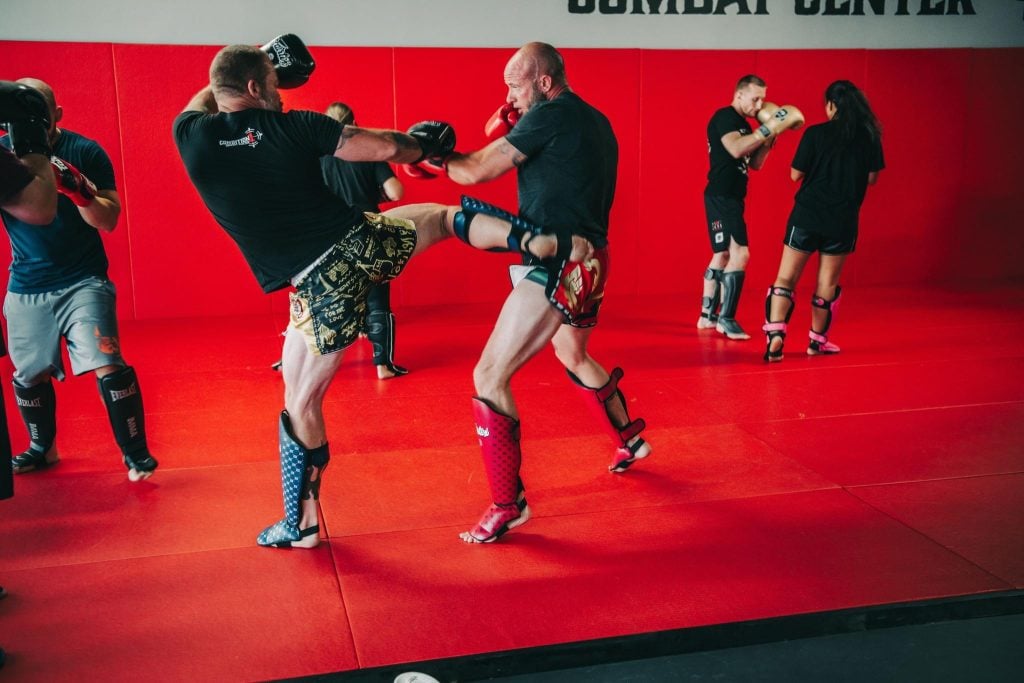
“High-energy” can be a throwaway buzzword. Here, it has a specific shape. Classes have a distinct cadence, fast enough to keep your heart rate up, yet structured to preserve clean movement. A typical 60 to 75 minute session moves in tight segments: a dynamic warmup that primes joints and core, skill blocks that layer techniques from the ground up, and short conditioning rounds that feel like a sprint to the finish rather than a slow grind. You might hit a three-round pad circuit with combinations, footwork, and defensive counters, then shift to partner drills with controlled contact to evaluate distance and timing. The final stretch often leans into core stability and breath control so you leave fatigued but not sloppy.
Expect coaching that holds the line on posture, guard, and foot placement even when you are winded. That tension, technique under fatigue, is where you start to build transferable skills for self defense. A coach calling for a sharper pivot on your lead foot while you finish a flurry does more for your development than any number of empty burpees.
A practical self-defense core, not theatrics
The self defense classes at condition1combat.com and in the building itself emphasize habits that matter off the mats: awareness cues, pre-contact indicators, and simple tactics that stand up when adrenaline floods. You will not spend an hour memorizing complicated wrist sequences that fall apart against a resisting partner. Instead, you see familiar problems laid out cleanly. Someone grabs a jacket lapel. Someone attempts a bear hug from behind. Two people close distance and posture for a shove. Each moment is broken down with footwork, base, hand position, and then pressure tested in short scenarios with boundaries and safety gear.
One drill that shows up frequently in well-run self-defense programs goes like this. The coach sets you on a marked line. Your partner becomes a stranger intruding on personal space. Your job is to manage distance verbally, show visible boundary setting with hands up in a non-threatening frame, then make a decision when your partner ignores commands. On the go call, you angle off, create space with a palm strike or elbow, and move to a safer position. It is simple and repeatable. Over time, the scenario grows a second problem, perhaps a stumble on a mat edge or a nearby “bystander” who constrains your escape lane. You learn not just to throw a technique, but to think through the clutter of real settings.
The better Spring schools also respect the legal and ethical side. Coaches discuss proportionality, how to articulate your actions after an incident, and why de-escalation pays before force does. No one promises invincibility. The promise is competency aligned with reality.
Striking and grappling fundamentals without dogma
Condition 1 Combat Center martial arts classes pull from striking and clinch mechanics that would feel at home in boxing, Muay Thai, and no-gi contexts, paired with takedown defense and simple get-ups. You shield properly, you frame on hips, you stand up intelligently when you are knocked down instead of turning your back in panic. If you have trained before, you will recognize the archetypes. If you are new, you will not feel buried in jargon.
A well-constructed striking segment builds from the feet upward. Watch how the coaches demand stance integrity while you pivot into a cross, or how they cue you to hide your level change before a body shot. On the grappling side, you might work a pummel drill to develop inside control in the clinch, then fold that into a takedown counter. The lesson sticks because you used it at a higher heart rate, not because it looked clean in a mirror.
Why the classes feel fast but do not blow people up
Condition 1 leans on interval-based conditioning rather than long, steady slogs. That decision matters. Mixed intervals let a 12-year-old, a 35-year-old office worker, and a 50-year-old firefighter share the same mat without any of them checking out. A round might be 40 seconds of pad work, 20 seconds of a technical reset, then another 40 seconds with a new defensive layer. Individual output scales, but no one lingers still for long.
The short bursts also help you lock in clean mechanics while tired, a key trait for self defense. It takes about 4 to 6 weeks for most new students to find a solid aerobic base for these classes. By the second month, athletes often report measurable improvements in recovery time between rounds. Heart rate comes down faster. Hands drop less. The gas tank stretches.
Kids martial arts that build more than coordination
Parents in Spring do not enroll their kids just to burn energy. They want focus, respect, and the capacity to handle peer conflict with a steady head. Condition 1 Combat Center kids martial arts programs hold children to clear standards in language and behavior. They learn how to line up quickly, take instruction, and help a partner rather than show off. The coaches explain why a straight wrist keeps punches safe and why horseplay on the edges steals from everyone’s learning.
Anti-bullying work matters here too. Kids practice verbal boundaries alongside movement, because for many school-aged conflicts the first win is avoiding the fight. When physical action is necessary, the techniques stay simple: break grips, cover and move, find an adult. Parents who stick around for classes often notice a steady change at home. Chores meet less resistance. Homework fights cool off. Structure on the mats bleeds into the rest of life.
The trade-off to high-energy youth classes is attention span. Expect five to eight minute modules instead of long monologues. Games are used deliberately. A relay is not there to kill time. It isolates a movement pattern, like lateral shuffle with hands high, and hides the repetition inside fun.
If you are searching online, use terms like condition1combat.com kids martial arts to see session options and age splits. Most academies in Spring divide classes by developmental stages, not just by belt color.
Adult martial arts training without the macho posturing
Condition 1 Combat Center adult martial arts training tends to attract a broad slice of Spring. People walk in with different goals. Some want to get lean and strong while learning a skill. Some want to address an uncomfortable incident in a parking lot and never feel that way again. A few want to pressure test themselves regularly in sparring. The key is that the environment respects all three lanes while keeping technical standards tight.
Scaling is handled in the details. If you have a cranky shoulder, your coach might adjust your guard position and limit certain overhand shots. If you are a runner with strong legs but tight hips, your stance and pivot are built gradually rather than forced overnight. New parents who return to training after long breaks often need lower impact options for a few weeks. Coaches offer pad rounds instead of heavy bag marathons and replace jump rope with shadow footwork. The high-energy feel stays, just without the joint tax.
If you want more intensity, you can find it. Advanced pad rounds with counters, controlled sparring with clear rulesets, or rounds that simulate fatigue after a short sprint exist for those who have earned the base. The expectation is that you ask for it when ready, and you keep your partners safe while pushing your own limits.
What “self-defense classes condition1combat.com” actually cover
Search terms like self defense classes condition1combat.com will show pages that mention everyday carry considerations, situational scanning in parking lots, and strategies for confined spaces like car doors. On the mats, those broad themes become drills. One scenario teaches a quick seat-belt release and exit from a driver-side position when a stranger approaches. Another breaks down how to step off line in a narrow hallway, use a forearm wedge to protect your head, and drive to open space. You practice these in slow cadence first, then at moderate speed with gear, then with a noisy timer to simulate chaotic environments.
Coaches also coach voice. If you have never yelled in a structured way, your first attempt will feel odd. With practice, your verbal commands sound clear and authoritative. You learn to draw positive attention when you want help, and to project confidence when you want a predator to pick a softer target.
Clean facilities, smart equipment choices
High-energy classes chew through equipment. Good gyms in Spring maintain their pads and bags, tape seams that start to fray, and replace gear on a schedule. Look for fresh cleaner smell, not a chemical blast meant to cover neglect. Mats dry thoroughly after cleaning, which helps prevent skin issues. Students are asked to keep nails short, show up with clean uniforms or shorts and rash guards, and wipe down gear. A culture that respects hygiene signals a culture that respects safety.
For personal equipment, start simple. Hand wraps and gloves for striking, mouthguard for partner work, shin guards if you want to kick regularly. For grappling segments, a rash guard and shorts with no pockets keep partners safe. If you are not sure about sizes or brands, ask to borrow loaner gear a few times before you buy. Most coaches are happy to walk you through the trade-offs between, for example, a 12-ounce glove for pad rounds versus a 16-ounce glove for sparring.
How skills progress without getting stuck on belts
Every academy organizes progress differently. Some use a formal belt or level system with periodic testing. Others prefer ongoing assessments where you demonstrate competence in live drills to unlock new material. Condition 1 Combat Center martial arts classes typically blend the two ideas. You see clear standards for guard, footwork, and core combinations before you add more complex counters. You earn clinch entries, takedown defense, and ground recoveries once your base holds under mild pressure.
Ask your coach what proves readiness. A good answer sounds specific: keep hands home after combinations, pivot on the ball of the foot consistently, breathe through the nose during resets, show three clean sprawls in a row without collapsing the back. Vague promises of a fast track often disappoint. Honest criteria keep motivation high, because you can check your work each week.
Managing heat, hydration, and recovery in Spring
Spring, TX summers are humid, and even well-cooled gyms feel it when classes fill. Hydration is not optional. Show up with water already in your system, not just in your bottle. A reasonable rule is to take a few sips every round. Coaches usually program short breaks between sets, but you are responsible for listening to your own signals. If you see black sparkles in your vision or feel chills in a hot room, you have waited too long. Sit, breathe, and let the coach know.
Recovery starts the moment you step off the mat. A slow walk and nasal breathing pull your heart rate down faster than flopping on the floor. Ten minutes of easy mobility work at home on hips and thoracic spine buys you a lot the next day. If you stack three or more high-energy classes a week, add protein within an hour after training and aim for quality sleep. Most adults find that two heavy days and one moderate day per week produce steady gains without burnout.
Who thrives in these classes and who should adjust expectations
You do not need an athletic background to start, though it helps your confidence. What matters most is your willingness to be coached and your consistency. The athlete who trains twice learn more a week for six months passes the one who trains six times for two weeks then disappears. If you are nursing long-term injuries, talk to the coaching staff about red flags. A fused ankle, for example, requires thoughtful stance choices. Rotator cuff issues change how you frame in the clinch. Coaches would rather adjust drills on day one than see you flare up pain on day three.
If you hope to lose weight, the classes at Condition 1 Combat Center pair well with a simple nutrition plan. You do not need a perfect macro spreadsheet. Focus on lean protein, vegetables, and smart carb timing around training. High-energy sessions already give you the engine. Food gives you the fuel.
A first week that sets you up for success
- Show up 10 to 15 minutes early to meet the coach, sign waivers, and learn basic etiquette like how to line up and how partners switch during drills.
- Wear breathable gear you can move in, bring water, and if you have wraps or gloves, pack them. If not, ask about loaner equipment.
- Tell the coach about old injuries or current concerns so they can scale drills without slowing the group.
- Start near the front if you can. You will learn faster by seeing demonstrations up close and getting quick corrections.
- Pay attention to hygiene. Trim nails, cover small cuts, and wipe down borrowed gear when you are done.
That short list, followed well, does more for your long-term progress than hours of YouTube research. Learning how a room runs accelerates your ability to train hard while staying safe.
A sample week that balances intensity and rest
- Monday, striking fundamentals with interval conditioning, focusing on jab, cross, low kick, and defensive shell under light pressure.
- Wednesday, self-defense scenarios with clinch pummeling and takedown defense, finished with core stability circuits.
- Friday, mixed rounds on pads and bags, including movement drills that build ring or street awareness and finish with short sprints.
- Saturday optional, mobility and technical review, slower pace to consolidate footwork and shadow rounds.
- Active recovery day, a 30 to 40 minute walk or easy bike ride, plus simple hip and shoulder mobility.
This plan keeps intensity high while giving your nervous system time to integrate new coordination. Substitute days to match your schedule.
Coaching quality and culture make or break the experience
Gear and paint only go so far. What you want is a coaching staff that can cue you with one sentence and change your movement immediately. “Chin tucked, eyes level” tightens a wobbly stance more effectively than a paragraph. “Elbow hides the ribs” prevents a body shot from sneaking in. Watch how coaches interact during partner drills. They should circulate, protect new students from overwhelming partners, and pair advanced athletes in a way that challenges both.
Culture matters in how feedback is delivered. A firm tone is fine. Disrespect is not. The best rooms in Spring hold everyone accountable for control during contact and for energy between rounds. You will see advanced athletes model how to pace and breathe, not just how to hit hard. That is the environment where kids, teens, and adults all learn safely without diluting the work.
What you can expect over three, six, and twelve months
At three months, most consistent students notice quicker balance recoveries after missed shots and cleaner breathing under stress. You can hold your stance while you speak, which matters in self-defense scenarios where verbal commands come first. Conditioning improves enough that daily tasks, from carrying groceries to taking stairs, feel lighter.
At six months, you begin to chain techniques automatically. A jab draws a guard, the cross lands, and your exit angle appears before you think about it. On the grappling side, you frame and stand up more cleanly when pushed or pulled. People often report fewer random aches because their posture and core strength improve.
At a year, if you have stayed regular, your timing and distance make you hard to hit in sparring and confident in controlled scenarios. Your relatives notice your posture at family gatherings. You do not fidget during tense conversations. That calm comes from hours of rehearsing composure under load.
Finding the right fit and getting your questions answered
If you are evaluating Condition 1 Combat Center martial arts classes, drop by and watch a session from the side first. Most gyms in Spring welcome visitors. Pay attention to how beginners are integrated, how often coaches correct small details, and whether the energy rises without chaos. Ask about trial classes, schedules that fit your commute, and membership flexibility during travel. Rates in the Greater Houston area vary with amenities and program depth. Month-to-month options are common, as are family plans that reduce cost when multiple members train. When uncertain, the most current information sits at condition1combat.com. Reach out and ask direct questions about self-defense focus, kids class structure, and adult training intensity so you know what to expect.
Final thoughts from the training floor
High-energy martial arts classes deliver more than a burn. Done well, they teach you to move with purpose while your heart pounds, and to make clean decisions when space gets crowded. For families in Spring, TX, that means kids who sit up straighter in class and adults who carry themselves with relaxed confidence on late-night walks to the car. If you want a room where coaches look you in the eye, partners push you without trying to break you, and every round has a purpose, Condition 1 Combat Center martial arts is worth your time. Whether you type “martial arts classes condition1combat.com” into a search bar or stop by to watch an evening session, you will know quickly if the culture fits. Then it is just a matter of showing up, round after round, until your body and mind feel like they belong exactly where you are standing.